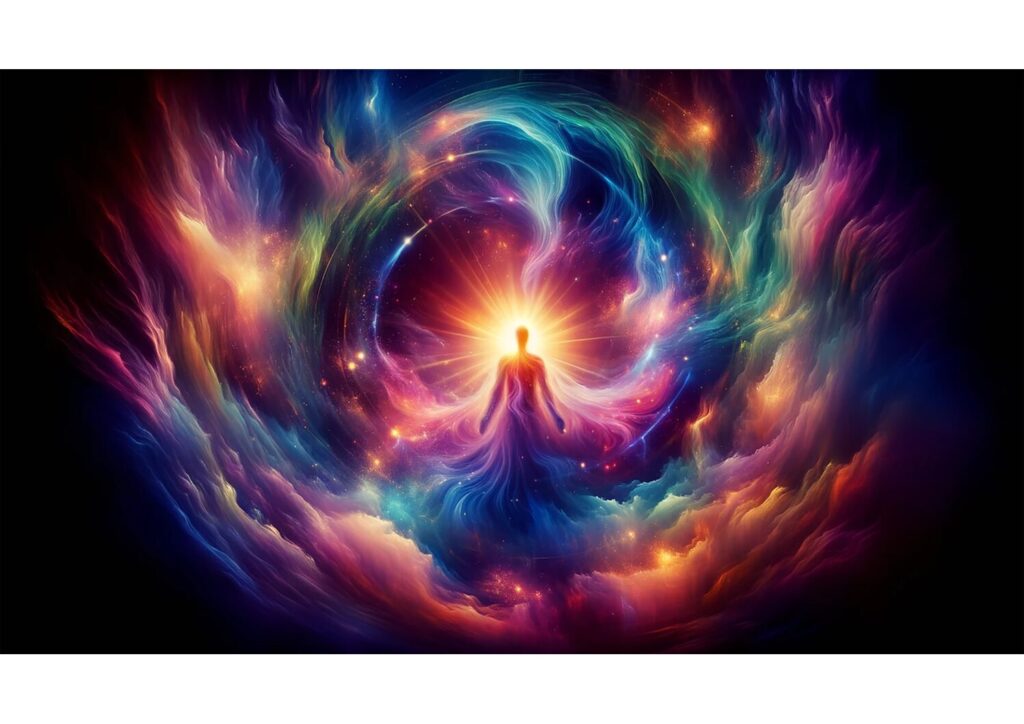
This vast subject deserves some clarification: this article deals with Qi, an essential substance of the body, one of the Three Treasures along with Jing, Shen, blood and body fluids. But we’ll come back to that in another article. First of all, I’d like to inform my customers who are interested in the ancient therapeutic art of Chinese massage, Tuina, so that they can better understand its healing power. Traditional Chinese Medicine (TCM) is a system of healthcare that dates back thousands of years and is based on a holistic understanding of the human body. At the heart of this tradition is the fundamental concept of Qi, often translated as “vital energy”. It plays a central role in the Chinese understanding of health and illness, guiding practitioners in diagnosing, treating and maintaining the body’s equilibrium.
Origins of the Concept of Qi:
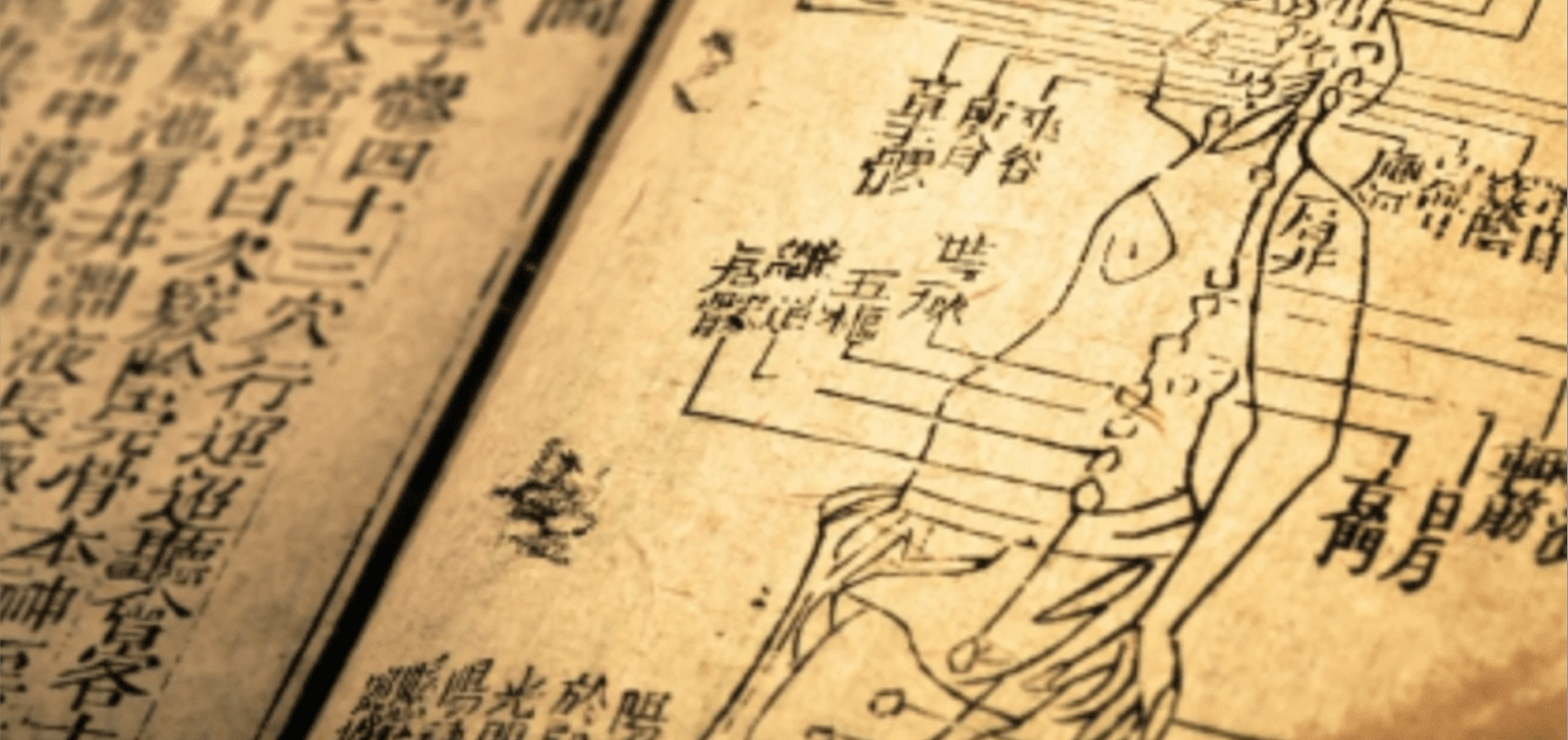
Ancient Chinese texts, notably the Huangdi Neijing, date back to the origin of this concept. This authentic manual of Chinese medicine has served as the theoretical basis for all subsequent developments in Chinese medicine. These founding texts describe Qi as the vital energy that animates and sustains all aspects of life. It is often compared to a constant flow circulating through the body, the organs and the meridians.
Nature of Qi :
According to TCM, Qi is divided into several aspects, each with distinct characteristics. Yuan Qi” is considered to be the inherent energy inherited at birth, while “Zong Qi” extracts lung energy from the air we breathe. Ying Qi” is the nutritive energy of food, and “Wei Qi” is the protective energy on the surface, defending against pathogenic influences. Qi is when the spirit is embodied in the body and metabolism (movement in the body) is created. Qi is the process of life. The moment there is no longer any metabolic exchange, that’s death.
Circulation of Qi :
An essential aspect of understanding Qi is its harmonious circulation, which is promoted by energy practices such as Tuina massage. According to TCM, health depends on a regular and balanced flow of Qi through the meridians. (Meridians are specific energy channels). We regard any blockage or imbalance in the circulation of Qi as a potential cause of illness. Qi is man’s physiological activity put into action; it allows all things to manifest.
Qi Balance and Chinese Massage :
Qi balance is the foundation of health in TCM. Practitioners seek to identify Qi imbalances or blockages linked to symptoms. TCM methods, such as acupuncture, moxibustion, Chinese pharmacopoeia and physical practices such as Tuina and Qi Gong, aim to restore Qi harmony.
The Influence of Qi on Health :
According to the Chinese perspective, Qi disturbances are attributed to many ailments. Emotions, lifestyle, diet and environment influence the quality and circulation of Qi. TCM therefore takes a holistic approach, using methods such as massage to rebalance the Qi and restore overall health. Emotions, lifestyle, diet and environment influence the quality and circulation of Qi.